Government
Clayton Tucker poised to become first Democratic agriculture commissioner in nearly 40 years
By Evelyn Martinez
Advertisement · Why this ad?
Samantha Torres graduated from the University of Houston with a degree in Sports Management and has spent the last 5 years covering high school sports for local outlets. A Conroe native, she is passionate about sharing the triumphs of local athletes and teams. Samantha’s energy and enthusiasm are evident in every piece she writes.
More from Samantha →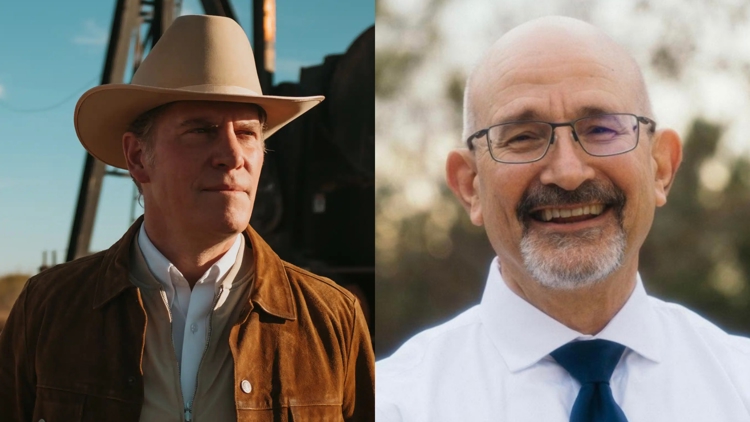
As the sun dipped below the horizon, casting a warm glow over Conroe, a palpable energy filled the air. Residents gathered in small clusters, discussing the latest developments in the Texas Railroad Commission race. Among the candidates, Bo French and Jon Rosenthal stood out, each bringing their unique perspectives to a position that plays a pivotal role in regulating the state’s energy industry. This election is not just about politics; it’s about the future of Texas and its communities.
The Texas Railroad Commission, a crucial regulatory body overseeing the state’s energy sector, has become the focus of intense campaigning as the election approaches. Bo French, a seasoned businessman and advocate for energy reform, is vying for the seat against Jon Rosenthal, a former state representative with a strong background in environmental issues. Both candidates have their eyes set on addressing the pressing challenges facing Texas’s energy landscape.
French, who has emphasized the need for innovation and modernization within the commission, believes that Texas can lead the nation in sustainable energy practices. “We must embrace new technologies that not only boost our economy but also protect our environment,” he stated during a recent town hall meeting in Conroe. His message resonates with many residents who are concerned about the impact of energy production on their health and environment.
On the other hand, Jon Rosenthal has positioned himself as a champion for accountability and transparency in the commission's operations. With a background in engineering and a passion for renewable energy, he argues that the commission needs to prioritize public safety and environmental protection. “We can’t afford to ignore the science behind climate change any longer,” Rosenthal declared, rallying support from environmental advocates and concerned citizens alike.
The community’s response to the candidates has been enthusiastic, reflecting a deep engagement with the issues at stake. Local residents have expressed a desire for leaders who will not only listen to their concerns but also take decisive action. “It’s about time we had representatives who care about our future,” said Maria Gonzalez, a Conroe resident who attended a recent debate. “We need someone who understands the balance between energy production and environmental stewardship.”
Many residents are particularly concerned about the implications of the election on their daily lives. The Texas Railroad Commission plays a critical role in regulating oil and gas extraction, which directly affects local economies and job markets. “Our livelihoods depend on the decisions made by this commission,” noted James Parker, a local business owner. “We need leaders who will prioritize our community’s needs.”
As the campaign heats up, grassroots organizations have emerged to support both candidates, highlighting the importance of community involvement in the electoral process. Groups like the Texas Impact have been mobilizing voters, emphasizing the need for informed decision-making. “We want to ensure that every voice is heard,” said coordinator Lisa Tran. “This election is about our future and the kind of Texas we want to build.”
In addition to Texas Impact, local environmental advocacy groups such as the Sierra Club have also been active in the community, organizing events that educate voters about the significance of the Railroad Commission’s decisions on climate change and public health. Volunteers have been canvassing neighborhoods, distributing flyers, and hosting informational sessions that delve into the candidates' platforms.
With the election date fast approaching, both Bo French and Jon Rosenthal are ramping up their campaigns, focusing on outreach efforts to connect with voters across the state. French is planning a series of town hall meetings to discuss his vision for the commission, while Rosenthal is organizing community forums to address environmental concerns directly. “We want to make sure that everyone has the opportunity to ask questions and voice their opinions,” Rosenthal explained.
The stakes are high, and the outcome of this election could shape Texas’s energy policies for years to come. As the candidates continue to hit the campaign trail, they are not just vying for votes; they are also seeking to inspire a sense of civic duty among residents. “This is our chance to make a difference,” French urged during a recent rally. “Let’s come together and build a brighter future for Texas.”
Community leaders, including local educators and business owners, are also stepping up to encourage voter participation. The Conroe Independent School District has initiated programs to educate students about the electoral process, fostering a sense of responsibility and engagement that they hope will carry into adulthood. “It’s crucial for young people to understand how these decisions affect their lives and future,” said Superintendent Dr. Don Stockton.
The Texas Railroad Commission, although its name might suggest a focus on railroads, primarily regulates the oil and gas industry. Its decisions impact everything from drilling permits to pipeline safety, making it a critical player in the state’s economy. With Texas being a leader in energy production, the commission's role has never been more significant.
Understanding the complexities of the commission’s responsibilities is essential for voters. The commission oversees the safety of drilling operations, ensuring that they comply with environmental regulations. This oversight is crucial for protecting the health of communities like Conroe, where residents are increasingly concerned about the effects of industrial activity on their quality of life.
The decisions made by the Texas Railroad Commission have far-reaching implications for families and businesses in Conroe. As the community grapples with the challenges of balancing economic growth with environmental sustainability, the need for informed leadership is paramount. Residents are looking for candidates who will prioritize their well-being and advocate for responsible energy practices.
As the election draws closer, it’s clear that the candidates’ platforms will shape not only the future of the commission but also the future of Texas itself. Engaging in the electoral process is not just a civic duty; it’s a chance for residents to voice their hopes and concerns for their families and communities.
The upcoming election is a pivotal moment for Conroe and the state of Texas. With a choice between two distinct visions for the future of the Texas Railroad Commission, voters are encouraged to educate themselves and participate actively in the democratic process. “Every vote counts, and this is our opportunity to shape the future,” emphasized Gonzalez, echoing the sentiments of many in the community.
As the community prepares for the election, local coffee shops and community centers have become informal hubs for discussion. Residents are sharing their thoughts on social media, and local radio stations are hosting debates and interviews with the candidates. This grassroots engagement reflects a growing awareness of the importance of the Railroad Commission and the impact it has on everyday life in Texas.
Ultimately, the election is about more than just two candidates; it's about the collective voice of the community and the direction they want to take. With the future of energy regulation at stake, the people of Conroe are stepping up to ensure their concerns are addressed, making this election a critical juncture for the entire state.
By Evelyn Martinez
By Carmen Reyes
By Evelyn Martinez

By Evelyn Martinez