
Sports
Why are there no NBA games on Election Day?
By Samantha Torres
Advertisement · Why this ad?
Lindsey is a graduate of Texas A&M University, with over five years of experience covering high school and college sports for local outlets. Her passion for sports shines through in her energetic coverage of local teams, athletes, and community events.
More from Lindsey →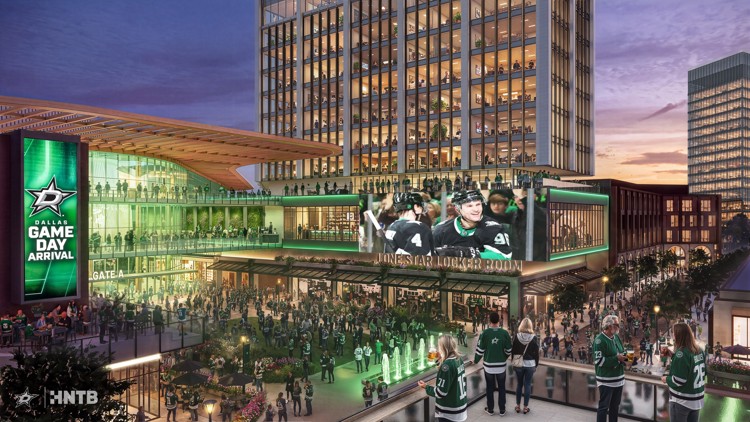
As the sun set over Plano, Texas, on a crisp November evening, the atmosphere buzzed with anticipation. Families gathered outside polling places, their conversations filled with excitement about the future of their community. Among the chatter, one topic stood out: the potential for a new Dallas Stars arena. Voters knew that this referendum would not only shape the local sports landscape but also have lasting implications for the community's economic future.
On November 7, 2023, Plano residents faced a pivotal decision at the polls regarding a crucial ballot item. The referendum proposed allowing the city to implement new taxes to fund up to $700 million, which would cover the city’s portion of the new hockey arena for the Dallas Stars. This decision was not made lightly, as many voters understood the potential impact on local businesses and the overall economy.
The proposed arena is expected to be a state-of-the-art facility that could host not just hockey games but also concerts, community events, and other sporting activities. Proponents argue that this investment could create thousands of jobs and attract visitors from surrounding areas, boosting the local economy significantly. According to estimates from the Plano Economic Development office, the arena could generate an additional $40 million in annual revenue for the city through increased tourism and entertainment spending.
The potential benefits of the new arena extend beyond just the realm of sports. Local business owners, like Maria Gonzalez, owner of a nearby café, expressed optimism about the project. “If the arena comes to Plano, it means more foot traffic for us,” she said. “More visitors mean more sales, and that helps keep our family business thriving.” Maria, who has owned her café for over a decade, noted that the influx of visitors could also lead to new job opportunities in the area, further supporting local families.
Moreover, the arena could serve as a gathering place for families and friends, fostering a sense of community. Events held at the arena could bring residents together, strengthening the bonds that make Plano a vibrant place to live. Local youth sports teams might find new opportunities to play in a premier facility, inspiring the next generation of athletes. Community leaders like Mayor Harry LaRosiliere have emphasized the importance of creating spaces that encourage community engagement and activity. “This arena isn’t just about sports; it’s about creating a hub for our community,” he said at a recent town hall meeting.
However, the proposed tax increase has raised concerns among some residents. Critics worry about the financial burden that new taxes could impose on families already facing rising costs of living. “I’m all for supporting our local teams, but I’m not sure we should be funding this with our taxes,” said John Smith, a Plano resident. “We need to prioritize our community’s needs first.” John, who works in education, highlighted the challenges many families face in balancing their budgets, especially with rising housing costs in the area.
City officials have assured residents that the new taxes would be structured to minimize impact on low-income families, aiming to create a balanced approach to funding the arena. The city’s commitment to transparency and accountability will be crucial in gaining the trust of the community as they move forward with this ambitious project. Plans for public forums and informational sessions have been announced to keep residents informed and engaged in the process.
As the election day approached, the community buzzed with discussions about the referendum. Social media platforms were flooded with opinions, both in favor of and against the proposal. Many residents took to platforms like Facebook and Twitter to voice their thoughts, creating a lively dialogue about the future of sports in Plano. Local influencers and community leaders used their platforms to spread awareness and encourage voter participation, emphasizing the importance of civic engagement.
Local sports enthusiasts rallied behind the initiative, emphasizing the pride that comes with having a professional sports team in their city. “It’s not just about hockey; it’s about what it means for our community,” said Emily Johnson, a lifelong Stars fan. “Having a new arena would put Plano on the map and show that we support our teams.” Emily, along with several friends, organized watch parties and community events to generate excitement in the lead-up to the vote.
Families played a significant role in shaping the conversation around the referendum. Many parents recognized the potential for the arena to become a family-friendly destination. “We love taking our kids to games and events, and a new arena would mean more opportunities for us to make memories together,” shared Sarah Thompson, a mother of two. Sarah and her husband, Mark, have been actively involved in local sports leagues, highlighting how a new facility could elevate the experience for families like theirs.
In addition to the excitement surrounding the arena, families also expressed concerns about how the new taxes might affect their budgets. Some parents voiced worries about balancing the cost of supporting local sports with their other financial responsibilities. The challenge lies in finding a solution that benefits the community while respecting the needs of families. Discussions around potential tax relief programs for families were also initiated, showcasing a proactive approach to addressing concerns.
As the votes were counted and the results tallied, the future of the new Dallas Stars arena hung in the balance. City officials committed to keeping the community informed about the next steps, regardless of the outcome. If the referendum passes, the city will begin the process of implementing the new taxes and moving forward with the arena’s construction. This includes engaging stakeholders, developing a timeline for construction, and ensuring that community voices are heard throughout the process.
On the other hand, if the referendum fails, city leaders will need to explore alternative funding options for revitalizing the local sports scene. This could include partnerships with private investors or reallocation of existing funds to support community sports initiatives. The city has already begun discussions with various stakeholders about potential alternative projects that could enhance local sports facilities without placing an additional tax burden on residents.
The referendum on the new Dallas Stars arena presents an opportunity for Plano to invest in its future while fostering a strong sense of community. As residents weigh the pros and cons, it’s essential to remember the importance of unity and commitment to building a thriving city for all families. Whatever the outcome, the discussions sparked by this referendum will continue to shape Plano’s identity for years to come. The engagement of residents, local businesses, and community leaders in this conversation is a testament to the spirit of Plano, where collaboration and shared vision can lead to a brighter future.
By Samantha Torres

By Samantha Torres
By Lindsey Harper
By Tasha Williams