
Community
Quail Valley neighborhood in Missouri City draws Halloween crowds with elaborate decorations
By Evelyn Martinez
Advertisement · Why this ad?
Evelyn Martinez is a vibrant journalist with 4 years of experience focusing on local events and cultural happenings in Conroe. A graduate of the University of Houston, she began her career at a local radio station before transitioning to print. Evelyn thrives on being the first to share uplifting community stories.
More from Evelyn →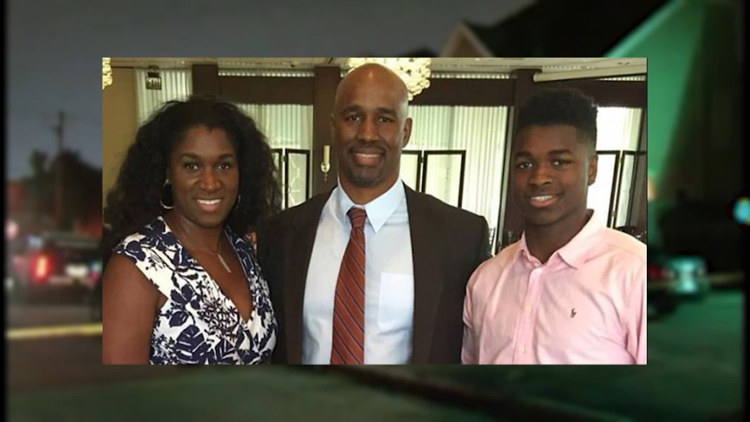
In a courtroom filled with tension and anticipation, AJ Armstrong sat quietly, his expression a mix of hope and resignation. The air was thick with uncertainty as the judge delivered a ruling that would shape the course of Armstrong's future. On October 6, 2023, Judge Kelli Johnson denied Armstrong's motion for a new murder trial, a decision that reverberated through the community of Conroe, where the case has captured the attention of many residents.
The ruling came after a lengthy legal battle that began when AJ Armstrong was convicted of the 2016 murders of his parents, Dawn and Antonio Armstrong. The case has been a point of contention, with Armstrong maintaining his innocence throughout the proceedings. In his motion for a new trial, his defense team presented new evidence, including claims of ineffective counsel and procedural errors during the original trial. However, Judge Johnson found that the evidence was not sufficient to warrant a retrial.
Armstrong's conviction has raised questions about the justice system and the implications of wrongful convictions. The judge's decision not only affects AJ's life but also impacts the community's perception of the judicial process. As the news spread, many residents expressed their thoughts on social media, showcasing the divided opinions surrounding the case.
During the hearing, Armstrong's attorney, Casey D. McGowan, argued passionately for a new trial, stating that the defense was not given a fair opportunity to present their case. "This is about justice and ensuring that every individual receives a fair trial," McGowan asserted, emphasizing the importance of a thorough review of the evidence.
The community of Conroe has been deeply engaged in the Armstrong case since its inception. As the judge's ruling was announced, a wave of reactions flooded social media platforms, with some residents expressing relief while others voiced their discontent. Many have been following the trial closely, attending court sessions and discussing the case in local forums.
Local resident Sarah Thompson shared her thoughts on the ruling, stating, "This case has been a rollercoaster for our community. We want to believe in the justice system, but it’s hard when there are so many unanswered questions." Many others echoed her sentiment, highlighting the need for transparency and accountability within the legal system.
In contrast, supporters of the ruling expressed satisfaction, believing it upholds the integrity of the judicial process. John Roberts, another resident, commented, "The evidence was clear, and it’s important that we trust our legal system to make the right decisions, even when they are difficult." This division has sparked conversations about the complexities of the justice system and the importance of community involvement in such high-profile cases.
The emotional response from the community has been palpable. Residents have organized vigils in memory of the Armstrongs, reflecting on the tragedy that has impacted not just AJ but the entire neighborhood. Many have shared personal stories of how they knew the Armstrong family, painting a picture of a family that was once a vibrant part of the community fabric.
One local teacher, Melissa Green, who taught AJ in high school, expressed her disbelief over the conviction, saying, "AJ was always a bright student with a promising future. It’s heartbreaking to see how this has unfolded. I just hope for justice, whatever that may look like in this case." The emotional ties to the Armstrong family have made this case particularly sensitive for many residents.
The denial of AJ Armstrong's motion for a new trial has profound implications not only for him but for the entire Conroe community. The case has become a symbol of the struggles surrounding the justice system, particularly in cases involving young defendants. Many residents are now questioning the processes in place to ensure fair trials and the potential for wrongful convictions.
Local organizations, such as the Conroe Chamber of Commerce, are beginning to address these concerns by hosting community forums aimed at educating residents about their rights and the legal process. These discussions foster a sense of unity among residents, emphasizing the importance of collective advocacy for justice.
Moreover, the case has highlighted the need for mental health support for individuals involved in the legal system. As Armstrong's story unfolds, mental health professionals in the area are stepping up to provide resources for those affected by the case, ensuring that the community has access to the support they need during such challenging times.
In light of the ruling, several local advocacy groups are mobilizing to push for legal reforms. They aim to address systemic issues within the justice system that may have contributed to what they consider a flawed trial process. This includes advocating for better training for defense attorneys and more rigorous standards for evidence presentation in court.
Community leaders are also working to establish a legal aid clinic that would provide resources for those who cannot afford representation. This initiative has gained traction as residents realize the importance of equitable access to legal resources, particularly in high-stakes cases like Armstrong's.
As AJ Armstrong continues to navigate the aftermath of the court's decision, the community remains vigilant and engaged. Many residents are hopeful that this case will lead to meaningful changes within the justice system, prompting lawmakers to reevaluate policies surrounding trials and convictions.
In the coming months, community leaders plan to hold discussions about legal reform, focusing on improving the trial process and ensuring that defendants receive adequate representation. These conversations are crucial in fostering a system that is not only fair but also perceived as just by the community.
Furthermore, Armstrong's case may inspire future advocacy efforts aimed at preventing wrongful convictions. Local nonprofits, such as the Innocence Project, are working tirelessly to raise awareness about the importance of fair trials and the devastating impact of wrongful convictions on families and communities.
The denial of AJ Armstrong's motion for a new trial marks a significant moment in the ongoing saga of a case that has profoundly affected the Conroe community. As residents grapple with the implications of the ruling, it is essential to remember the human element at the heart of this story. AJ Armstrong is not just a name in the headlines; he is a young man whose life has been irrevocably altered by a tragedy that has left many questions unanswered.
As the community rallies together to seek justice and reform, it is a reminder of the importance of strong families, intact communities, and a commitment to ensuring that every individual is afforded the rights they deserve. The journey ahead may be challenging, but the resilience of the Conroe community is a testament to the power of unity and hope.
By Evelyn Martinez
By Carmen Reyes

By Carmen Reyes

By Evelyn Martinez