Community
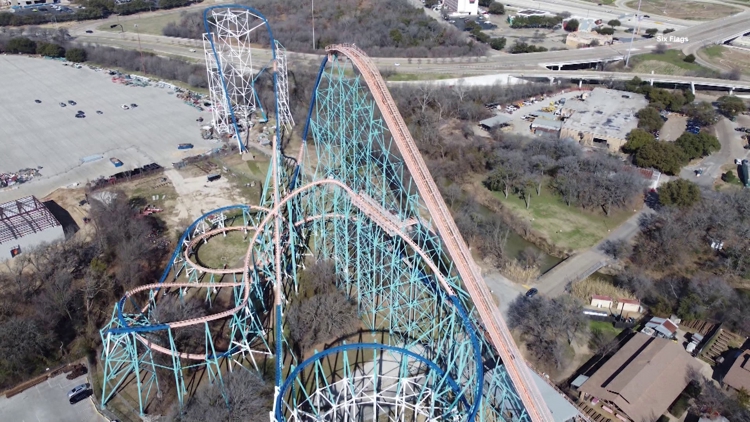
Guests pulled off Titan roller coaster at Six Flags over Texas after one person violated code of conduct, park says
By Carmen Reyes
Advertisement · Why this ad?
Evelyn Martinez is a vibrant journalist with 4 years of experience focusing on local events and cultural happenings in Conroe. A graduate of the University of Houston, she began her career at a local radio station before transitioning to print. Evelyn thrives on being the first to share uplifting community stories.
More from Evelyn →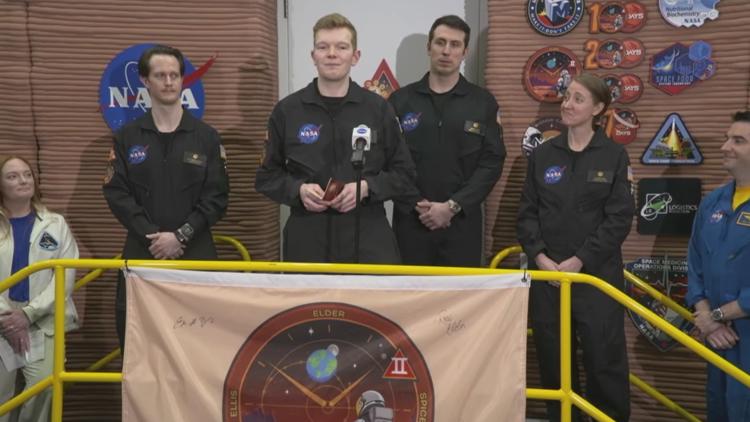
As the sun began to rise over Houston, a sense of excitement filled the air at the Johnson Space Center. Four brave volunteers, having just completed a year of isolation in a 3D-printed habitat designed to mimic life on Mars, emerged from their temporary home. Their faces, illuminated by the morning light, reflected a mixture of joy and relief, as they stepped back into the vibrant world outside. This fascinating experiment was not just a test of endurance but a significant leap toward understanding what it takes to sustain human life on other planets.
In a groundbreaking initiative, four volunteers participated in a year-long simulation of life on Mars, organized by NASA and the Johnson Space Center. The habitat, a cutting-edge 3D-printed structure, was designed to replicate the Martian environment, complete with limited resources and communication delays. The volunteers, who were selected for their diverse backgrounds and skills, lived in close quarters, conducting scientific research while navigating the challenges of isolation.
Throughout the year, they experienced the highs and lows of living in a confined space, from the thrill of scientific discovery to the emotional strain of being away from family and friends. The project aimed to gather valuable data on the psychological and physical effects of long-term space missions, which is crucial for future explorations to Mars and beyond.
The Conroe community has been buzzing with excitement over the successful completion of this simulation. Local families and friends gathered at the Johnson Space Center to welcome the volunteers back, their hearts filled with pride for the extraordinary commitment these individuals demonstrated. Many community members expressed their admiration for the volunteers’ courage and dedication to advancing space exploration.
Local businesses also showed their support by sponsoring welcome-home events and providing refreshments for the gathering. This collaboration between the community and local enterprises highlights how deeply interconnected the region is when it comes to supporting scientific endeavors. The excitement surrounding this event has sparked discussions about future educational programs related to space science in local schools.
As the volunteers stepped out, they were greeted with cheers and applause. Local school children, inspired by the volunteers' journey, waved handmade signs that read, “Welcome Home, Space Explorers!” This heartfelt reception highlighted the importance of community support in fostering a spirit of exploration and innovation. It was a reminder that even the most ambitious dreams are rooted in the love and encouragement of family and friends.
Community leaders, including the mayor of Conroe, attended the event to express their pride and gratitude. The mayor remarked on the significance of the volunteers' contributions, stating, “These individuals have not only pushed the boundaries of human exploration but have also united our community in a shared vision for the future.” This sentiment resonated with many attendees, who see the volunteers as local heroes paving the way for future generations.
The 3D-printed habitat was more than just a living space; it was a carefully crafted environment designed to simulate the harsh conditions of Mars. The volunteers had to adapt to a limited supply of resources, which included food, water, and power. This aspect of the simulation was critical in understanding how future astronauts might sustain themselves on long missions.
Inside the habitat, the volunteers conducted experiments that ranged from growing plants to testing new technologies for recycling water and air. These experiments provided invaluable insights into sustainable living on Mars. The data collected during this year-long simulation will inform NASA's plans for future missions, ensuring that astronauts are well-prepared for the challenges that lie ahead.
Moreover, the habitat's design itself serves as a model for future constructions on Mars. The use of 3D printing technology is particularly promising, as it could allow astronauts to create structures using Martian soil, reducing the need to transport materials from Earth. This innovative approach could significantly lower mission costs and enhance sustainability.
Beyond the scientific advancements, the volunteers’ experience sheds light on the human aspect of space exploration. The psychological challenges of isolation and confinement are significant factors that NASA must address as they prepare for missions to Mars. The volunteers reported feelings of loneliness and anxiety at times, but they also spoke of the strong bonds they formed with one another, which were essential for maintaining morale.
This project not only contributes to our understanding of space travel but also serves as a testament to the resilience of the human spirit. As we look to the future, the lessons learned from this simulation will play a crucial role in shaping how we approach long-duration space missions and support the mental well-being of astronauts.
Experts in psychology and psychiatry are now analyzing the data collected from the volunteers' experiences to develop strategies for future missions. This research could lead to new protocols for mental health support, ensuring that astronauts can thrive in the challenging environment of space.
For those inspired by the volunteers’ journey, there are numerous resources available for learning more about space exploration and getting involved. Local organizations like the Conroe Chamber of Commerce and educational institutions such as Conroe Independent School District offer programs that encourage students to explore careers in science, technology, engineering, and mathematics (STEM).
Additionally, NASA provides a wealth of information on their website about upcoming missions, educational opportunities, and how individuals can contribute to the future of space exploration. Engaging with these resources can ignite a passion for science and exploration in the next generation, ensuring that the spirit of discovery continues to thrive.
Local libraries and community centers also host workshops and informational sessions about space science, making it accessible for everyone. These initiatives are vital in fostering a culture of curiosity and learning, encouraging young minds to consider careers in fields that will shape the future.
As the volunteers return to their everyday lives, they carry with them not only the memories of their unique experience but also a renewed sense of purpose in the quest for knowledge and exploration. Their journey serves as an inspiration to the Conroe community and beyond, encouraging all of us to dream big and support one another in our pursuits.
The future of space exploration is bright, and with projects like this, we are one step closer to making the dream of living on Mars a reality. As we celebrate the achievements of these volunteers, let us also remember the importance of strong families and communities that nurture such aspirations. Together, we can continue to reach for the stars, united in our commitment to exploration and discovery.
By Carmen Reyes

By Evelyn Martinez
By Carmen Reyes

By Evelyn Martinez