
Community
Who is Mario 'Bam' Morales, the ICE agent behind the indictment?
By Tasha Williams
Advertisement · Why this ad?
Carmen Reyes has over 15 years of reporting experience focused on community issues, having previously worked at the Houston Chronicle and NPR’s Texas affiliate. She studied Journalism at the University of Texas at Austin, where her passion for local storytelling began. Carmen is dedicated to fostering connections within the Conroe community through her insightful reporting.
More from Carmen →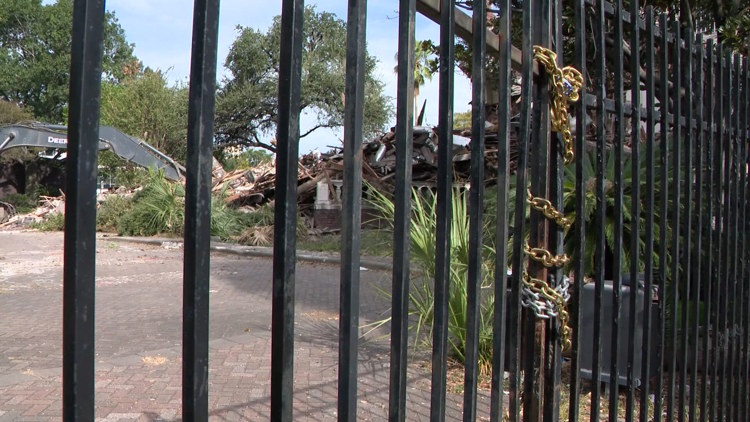
In the heart of Midtown, a scene unfolded that felt like a punch to the gut for many residents. As the sun rose over the historic Kirby mansion, workers began their demolition, and the sound of heavy machinery echoed through the streets. But just as the first walls began to crumble, city officials arrived, halting the process and sparking a renewed conversation about preservation and community identity.
On a seemingly ordinary day, the demolition of the Kirby mansion, a beloved landmark, was abruptly stopped by the city. The mansion, known for its rich history and architectural beauty, had been slated for demolition, but the city's intervention brought a momentary reprieve. The city's swift action highlighted the growing concern among residents about the preservation of their community's heritage.
The Kirby mansion, built in the early 1900s, has long been a symbol of the area's history. Its distinctive architecture and storied past have made it a cherished landmark for many. However, as urban development continues to reshape the landscape of Midtown, the fate of such historic structures hangs in the balance.
City officials cited the need for a comprehensive review of the site's historical significance before any further action could be taken. This decision was met with mixed emotions from the community, as residents grapple with the challenges of modernization versus the desire to maintain their historical roots.
The response from the community was immediate and passionate. Many residents expressed their relief that the demolition had been halted, viewing it as a victory for preservation efforts. Local historian and Midtown resident, Maria Lopez, shared her thoughts: "The Kirby mansion is more than just a building; it's a part of our identity. We need to fight to keep our history alive for future generations."
Social media quickly became a platform for discussion, with hashtags like #SaveKirbyMansion trending among locals. This digital outcry reflects a deeper connection to the mansion and a broader concern regarding the preservation of historic sites in the face of rapid urban development.
While some residents are hopeful that the city will take the necessary steps to preserve the mansion, others worry that the pressure for new developments could overshadow the importance of maintaining historical landmarks. This tension between progress and preservation is a recurring theme in many communities, and it has sparked a renewed dialogue about what it means to honor the past while looking toward the future.
As the city moves forward, officials are expected to conduct a thorough assessment of the Kirby mansion's historical significance. This process will involve collaboration with local historians, preservationists, and community members to determine the best course of action. The outcome of this review could set a precedent for how similar cases are handled in the future.
Community meetings are likely to be scheduled, providing a platform for residents to voice their opinions and advocate for the preservation of the mansion. Local advocacy groups, such as the Houston Preservation Society, are already mobilizing to support these efforts, emphasizing the importance of community involvement in preservation initiatives.
The Kirby mansion's fate remains uncertain, but one thing is clear: the community's passion for preserving its history is unwavering. As conversations continue, the hope is that a balance can be struck between the needs of modern development and the desire to honor the past.
The Kirby mansion is not just a relic of the past; it represents a chapter in the story of Midtown and its evolution over the years. Built by a prominent local family, the mansion has witnessed significant events and changes in the neighborhood. Understanding its historical significance is crucial to appreciating the fabric of the community.
Preservation efforts are vital not only for the mansion itself but for the broader narrative of the area. Each historic building tells a story, and when they are lost, so too are the connections to the past. Preservationists argue that maintaining such landmarks fosters a sense of belonging and continuity, which is essential for a thriving community.
The importance of local history extends beyond nostalgia; it also has economic implications. Historic sites can attract tourism, create jobs, and contribute to the local economy. As residents advocate for the Kirby mansion's preservation, they are also championing the idea that a community's history can be both a source of pride and a catalyst for growth.
Community involvement is critical in the fight to save the Kirby mansion. Local advocacy groups have been instrumental in raising awareness and mobilizing support. Their efforts serve as a reminder that when residents come together, they can effect change and influence decisions that impact their neighborhoods.
In addition to social media campaigns, community members are encouraged to attend city council meetings and engage with local leaders. By voicing their concerns and sharing their stories, residents can help shape the future of their community. Advocacy is not just about saving a building; it's about preserving the heart and soul of a neighborhood.
As the conversation around the Kirby mansion continues, it is essential for residents to remain engaged and informed. The city's decision to halt the demolition is just the beginning of a longer process, and the community's involvement will be crucial in determining the outcome.
The future of the Kirby mansion may still be uncertain, but the community's commitment to preserving its history is a beacon of hope. As discussions unfold, there is an opportunity for residents to come together and create a shared vision for Midtown that honors its past while embracing the future.
Through collaboration and open dialogue, residents can advocate for development that respects historical landmarks and enhances the community's character. The Kirby mansion can serve as a catalyst for a broader movement toward preservation, encouraging other neighborhoods to take similar action.
As we look ahead, it is vital to remember that the stories of our communities are intertwined with the places we inhabit. The Kirby mansion is more than just bricks and mortar; it is a symbol of resilience, a testament to the enduring spirit of Midtown. Together, residents can ensure that their history is not forgotten but celebrated for generations to come.
By Tasha Williams

By Lila Mendez
By Lila Mendez

By Lila Mendez