Government
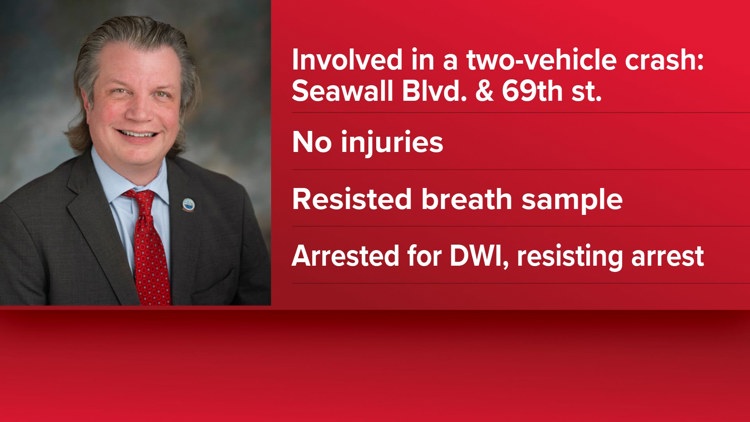
Galveston city councilmember arrested on DWI, resisting arrest charges after crash, police say
By Gina Lopez
Advertisement · Why this ad?
Fatima Rios has over 5 years of experience reporting on local governance at the Houston Chronicle. A graduate of the University of Houston, she is passionate about transparency and accountability in city politics.
More from Fatima →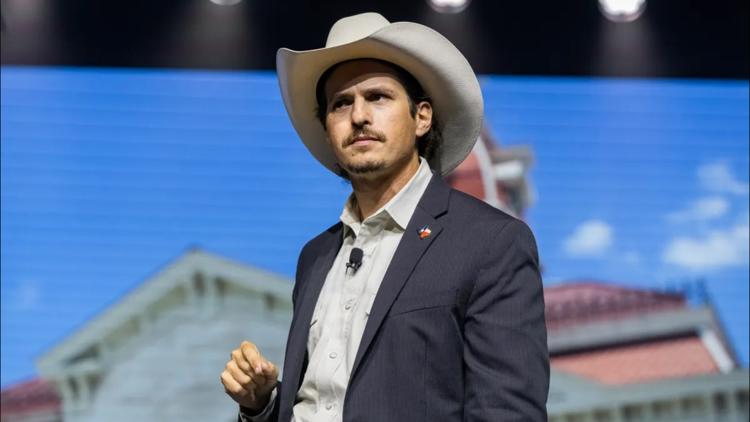
As the sun sets over the sprawling fields of Texas, a palpable excitement fills the air. Farmers and ranchers gather at local community centers, their faces lit with hope as they discuss the upcoming election. At the center of this buzz is Clayton Tucker, a candidate poised to make history as the first Democratic agriculture commissioner in nearly 40 years. If elected, Tucker will not just be a name on a ballot; he will symbolize a new era for the Texas Department of Agriculture, which has been under Republican leadership since Jim Hightower held the position in 1990.
Clayton Tucker, a former state representative and a passionate advocate for agricultural reform, is running a campaign that resonates deeply with Texas farmers. His platform emphasizes sustainability, support for small farmers, and a commitment to addressing climate change's impact on agriculture. Tucker’s vision contrasts sharply with the traditional policies that have dominated the Texas agricultural landscape for decades.
In his campaign, Tucker has articulated a clear message: the need for an agriculture department that reflects the diverse interests of all Texans, not just the large agribusinesses. He aims to prioritize policies that support family farms, sustainable practices, and equitable access to resources for all agricultural producers. Tucker has also been vocal about the need for transparency in agricultural policy-making, advocating for greater input from farmers and communities who are directly affected by these decisions.
“It’s time for a change,” Tucker stated at a recent rally in Houston. “We need an agriculture commissioner who understands the challenges faced by our farmers and is willing to fight for them.” His words resonate in a state where many feel left behind by the current administration's focus on big business. Many farmers have expressed their frustration over policies that favor large corporations, leaving smaller farms struggling to compete.
The response from the agricultural community has been overwhelmingly positive. Farmers like Maria Gonzalez, who runs a small organic farm in the outskirts of Houston, believe Tucker represents their interests. “For too long, we have been sidelined in favor of larger corporations,” she said. “Clayton understands our struggles and has a plan to help us thrive.” Maria's story is emblematic of the broader struggle faced by many small farmers in Texas who are battling rising costs and market pressures.
Community meetings have been packed with supporters eager to hear Tucker's vision. His grassroots approach is refreshing to many who have grown disillusioned with the status quo. Tucker's emphasis on building a sustainable agricultural future resonates not only with farmers but also with consumers who are increasingly concerned about the origins of their food. Local residents are becoming more aware of food justice issues, and Tucker’s platform aligns with their desire for a more equitable food system.
Local organizations such as the Texas Organic Farmers Association and the Houston Food Policy Council have thrown their support behind Tucker. They appreciate his commitment to sustainable farming practices and his understanding of food policy issues that affect urban and rural communities alike. “Clayton is the candidate who will listen to us and work alongside us to create a better future for Texas agriculture,” said council member Janet Lee. This endorsement is significant, as these organizations represent a growing movement towards organic and sustainable farming in Texas.
Beyond endorsements, Tucker's campaign has made it a priority to engage with local communities directly. His team has organized listening sessions in various regions, from the fertile plains of the Panhandle to the coastal fields of South Texas. These sessions are designed to gather insights from farmers about their day-to-day challenges and aspirations. Tucker's approach is not just about campaigning; it’s about fostering a dialogue that has been missing for years in Texas agriculture.
Local farmers have shared stories of struggles related to water access, market volatility, and the rising costs of inputs. Tucker's team has taken these concerns seriously, promising to advocate for policies that address these pressing issues. “Hearing directly from the farmers is crucial,” Tucker mentioned during one of these sessions. “It’s how I can ensure that my policies are grounded in reality and truly beneficial to the people who feed our state.” This commitment to listening is a stark contrast to the top-down approach that many farmers have experienced in previous administrations.
As the election approaches, Tucker’s campaign is ramping up efforts to engage voters across Texas. His team is focusing on door-to-door canvassing, town hall meetings, and leveraging social media to reach younger voters who are increasingly concerned about environmental issues and food security. The campaign is also looking to mobilize volunteers from local universities and community colleges, recognizing that engaging the youth is essential for long-term change in agricultural policies.
With early voting starting soon, the stakes are high. If Tucker wins, he will not only break a decades-long Republican stronghold but also bring a new perspective to the Texas Department of Agriculture. His leadership could signal a shift towards more inclusive and sustainable agricultural policies. The implications of Tucker's potential victory extend beyond the election; they could reshape the future of farming in Texas for generations to come.
The implications of this election extend beyond party lines; they touch on the very fabric of Texas agriculture. Many farmers are at a crossroads, facing challenges that threaten their livelihoods. Climate change, for instance, has led to unpredictable weather patterns that disrupt planting and harvesting schedules. Tucker's commitment to sustainable practices is seen as a lifeline by many who fear that without intervention, their farms may not survive the next generation. Farmers are particularly concerned about the increasing frequency of droughts and floods, which have significant impacts on crop yields.
Moreover, Tucker's focus on supporting small farmers could lead to a more equitable agricultural economy in Texas. Currently, the landscape is dominated by a few large agribusinesses, which can overshadow the voices of smaller producers. By advocating for policies that prioritize family farms, Tucker aims to create a more balanced agricultural ecosystem where diverse voices can thrive. The potential for improved market access and fair pricing for small farmers is a key component of his platform, which many believe could revitalize rural communities.
As Tucker continues to gain momentum, the agricultural community watches closely. Will this be the year that Texas farmers finally have a voice that champions their needs? Only time will tell, but one thing is certain: Clayton Tucker is a candidate to watch. His ability to connect with the community and advocate for meaningful change could redefine the role of the agriculture commissioner in Texas.
The upcoming election is pivotal for Texas agriculture. With Clayton Tucker on the ballot, voters have a chance to reshape the future of farming and food production in the state. His commitment to family farms, sustainable practices, and community engagement sets him apart in a crowded field. As Texans head to the polls, they will not just be voting for a commissioner; they will be voting for a vision that prioritizes the needs of all agricultural producers and consumers alike. The outcome of this election could determine the trajectory of Texas agriculture for decades, making it a critical moment for the state’s farmers and ranchers.
By Gina Lopez

By Lila Mendez

By Evelyn Martinez

By Lila Mendez