Community
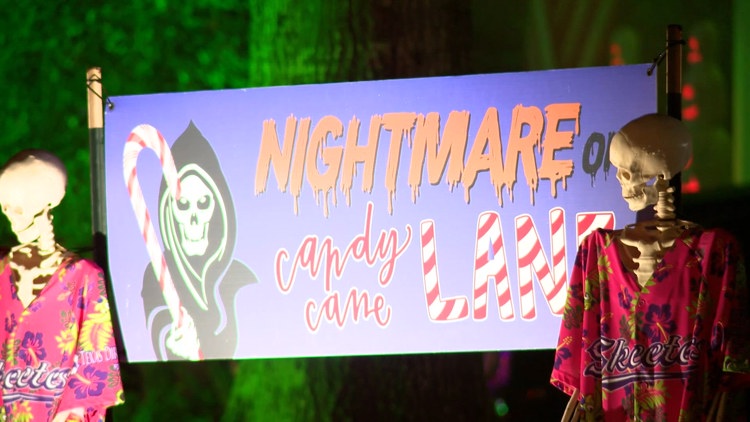
Quail Valley neighborhood in Missouri City draws Halloween crowds with elaborate decorations
By Evelyn Martinez
Advertisement · Why this ad?
Carmen Reyes has over 15 years of reporting experience focused on community issues, having previously worked at the Houston Chronicle and NPR’s Texas affiliate. She studied Journalism at the University of Texas at Austin, where her passion for local storytelling began. Carmen is dedicated to fostering connections within the Conroe community through her insightful reporting.
More from Carmen →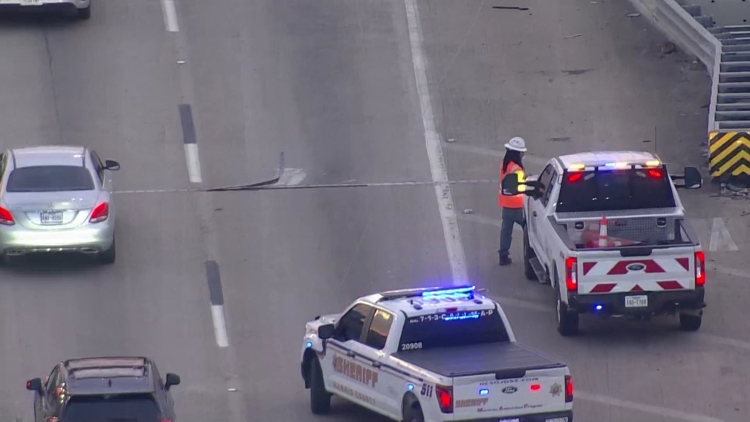
On a bustling Friday morning, as the sun began to rise over the Gulf Freeway, a scene unfolded that would leave many drivers in a state of frustration and disbelief. Among them was Maria Gonzalez, a single mother of two, who was on her way to drop her children off at school before heading to her job at a local clinic. As she navigated the familiar route near the University of Houston, she suddenly felt her car lurch. A quick check revealed a flat tire, one of several reported that morning due to a broken bridge seam on the freeway.
On the morning of [insert date], several drivers experienced flat tires on the Gulf Freeway, particularly in the vicinity of the University of Houston. According to TranStar, the regional traffic management center, the issue stemmed from an unexpected roadway problem—a broken seam in the bridge that caught many drivers off guard. Maria, like many others, had no warning. "It was so sudden; one moment I was driving fine, and the next, I was stranded on the side of the road," she recounted, shaking her head in disbelief.
The broken bridge seam created a sharp edge that was not only hazardous but also damaging to vehicles. TranStar officials confirmed that they were alerted to the issue shortly after it began affecting traffic, and crews were dispatched to assess the damage and begin repairs. However, the damage was already done for many drivers who found themselves pulling over, frustrated and worried about the costly repairs ahead.
The news of flat tires spread quickly through social media, igniting a wave of reactions from the community. Many took to platforms like Facebook and Twitter to share their experiences, with some expressing anger at the lack of maintenance on such a vital roadway. Local resident James Thompson, who drives this route daily, voiced his concerns. "This is a major highway that connects so many people to work and school. It shouldn't be in this kind of shape," he said.
Others, however, shared stories of community support. After her flat tire, Maria received assistance from a fellow driver who stopped to help her change the tire. "It was a reminder that even in frustrating moments, there are good people willing to lend a hand," she shared. This sentiment resonated with many, highlighting the importance of community in times of distress.
The broken bridge seam and subsequent flat tires did more than just inconvenience drivers; they also raised concerns about safety and infrastructure in the Conroe area. With families relying on the Gulf Freeway for daily commutes, the potential for such hazards can have a ripple effect. Local leaders have emphasized the need for regular maintenance and inspections of roadways to prevent similar incidents in the future.
Maria's experience is not unique. Many families in the area depend on this route to get to work, school, and other essential activities. The stress of unexpected repairs can strain household budgets, particularly for those already facing financial challenges. For single parents like Maria, every dollar counts, and unplanned expenses can lead to difficult choices.
In light of the recent events, community members have begun to voice their concerns more actively. Local advocacy groups are calling for increased transparency from city officials regarding infrastructure maintenance. They argue that residents deserve to know how their tax dollars are being spent and what measures are in place to ensure road safety.
As Maria reflected on her experience, she expressed hope for change. "I just want to feel safe when I drive my kids to school," she said. Her story is a reminder of the interconnectedness of community and infrastructure, and how one incident can spark a larger conversation about safety and accountability.
For those who find themselves facing similar issues, local organizations and resources are available to assist. The City of Houston provides information on roadway conditions and maintenance schedules, while the Texas Department of Transportation offers resources for reporting hazardous road conditions.
Moreover, community groups such as the Conroe Chamber of Commerce work to advocate for better infrastructure and can be a valuable ally for residents seeking to address these concerns. It’s essential for drivers to stay informed and proactive about roadway conditions to ensure their safety.
As repairs on the Gulf Freeway continue, there is hope that this incident will lead to more proactive measures regarding roadway maintenance. Local leaders are being urged to prioritize infrastructure improvements, not just for the sake of convenience but for the safety of families who rely on these roads every day.
Maria, despite her experience, remains optimistic. "I believe we can make a difference if we come together as a community and advocate for what we need," she said with determination. As the Gulf Freeway serves as a lifeline for many, it is crucial that it remains safe and reliable.
This incident serves as a stark reminder of the broader implications of infrastructure neglect. In a city as expansive as Houston, the Gulf Freeway is more than just a road; it is a vital artery that supports the economy and connects communities. The broken bridge seam is a symptom of a larger issue affecting many urban areas across the nation, where aging infrastructure often goes overlooked until it results in accidents or damages.
Transportation experts have pointed out that regular maintenance and timely repairs are essential not only for safety but also for economic stability. When drivers experience flat tires, it can lead to increased insurance claims, higher repair costs, and even lost wages due to time spent off the road. The financial burden can disproportionately affect lower-income families, further exacerbating existing inequalities.
In the coming weeks, community meetings are expected to address these concerns, offering residents a platform to voice their opinions and seek solutions. City officials are being urged to provide more frequent updates on maintenance efforts and to engage with the community in discussions about infrastructure planning. These meetings could serve as a catalyst for change, allowing residents to articulate their needs and hold officials accountable.
Moreover, local advocacy groups are planning campaigns to raise awareness about infrastructure issues and to push for more funding for road repairs. By mobilizing community members, they hope to create a unified voice that demands action from local government. As we look ahead, let us remember the importance of strong communities built on commitment and shared values, where every voice matters and every story counts.
By Evelyn Martinez
By Carmen Reyes
By Carmen Reyes
By Evelyn Martinez